Simplify Your Project with a Design-Build Contractor
Home Remodeling, Design-Build, Residential Construction
Why Hiring a Design-Build Contractor Can Make Your Construction Project Easier
From kitchen renovations to custom new builds, choosing a design-build contractor can simplify the process, protect your budget, and keep your project moving smoothly from first idea to final walkthrough.
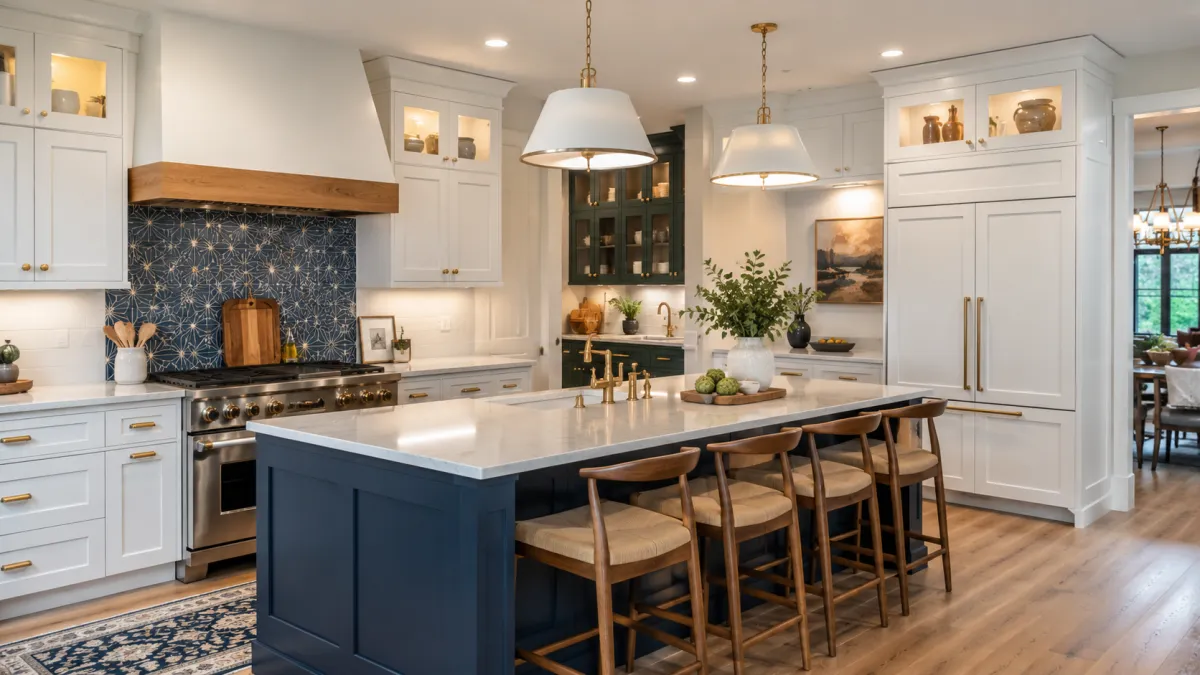
Why a Design-Build Contractor Makes Your Project Easier
Whether you are planning a kitchen renovation, bathroom remodel, home addition, basement renovation, ADU, or new construction, one of the biggest decisions you will make is who will manage the process. Construction involves far more than picking tile and paint colors. Design, budgeting, engineering, permits, materials, scheduling, and on-site construction all have to work together seamlessly. A design-build contractor brings these moving parts under one coordinated team so you do not have to act as the go-between for designers, engineers, and multiple contractors. The result is a clearer process, fewer surprises, and a project that feels far more manageable from day one.
What Is a Design-Build Contractor?
A design-build contractor provides an integrated approach to residential construction by coordinating both the design and construction phases of your project. Instead of hiring a designer or architect to complete plans and then hoping a separate contractor can build them within your budget, the design-build team is involved from the very beginning. This early involvement allows important conversations about construction costs, structural requirements, building codes, finishes, and scheduling to happen while your project is still being designed. For homeowners, that means a smoother path from “idea” to “it’s finished” with a single team guiding you the entire way.
When Your Budget Becomes Part of the Design
One of the most common frustrations with the traditional design–then–bid process is discovering that the plans you love are far beyond what you intended to spend. After weeks or months of design work, you may be forced to cut back or redesign significant portions of the project. A design-build contractor helps prevent this by weaving your budget into the design process from the start. As decisions are made about layout, cabinetry, structural changes, plumbing and electrical work, flooring, countertops, fixtures, and finishes, the construction team provides real-time feedback on how those choices affect the overall investment. This allows you to prioritize where to splurge, where to save, and how to align your wish list with a realistic budget before anyone swings a hammer.
Design and Construction Working Together, Not Against Each Other
A beautiful design is only successful if it can be built safely, efficiently, and within budget. In real homes, walls hide plumbing and mechanical systems, structural beams support upper floors, and moving a kitchen or bathroom can trigger major electrical and plumbing changes. An addition may affect your roofline, foundation, drainage, HVAC system, and existing utilities. In a design-build model, these realities are evaluated during the planning stage. The goal is to create a design that is not only attractive on paper but also buildable, functional, code-compliant, and financially realistic. That alignment between design and construction helps avoid last-minute compromises and keeps your project grounded in what will actually work in your home.
Fewer Communication Gaps, Fewer Headaches
When homeowners hire a designer, architect, engineer, general contractor, and multiple subcontractors separately, information can easily become fragmented. The designer may assume one thing, the contractor another, and a trade partner may interpret the drawings differently once work begins. These gaps often lead to delays, change orders, and unnecessary frustration. With a design-build contractor, the people who design your project are working directly with the people who will build it. Questions are addressed earlier, details are clarified before construction, and everyone is aligned around the same plans and priorities. For you, that means a single point of contact, clearer communication, and far less time spent relaying messages between different professionals.
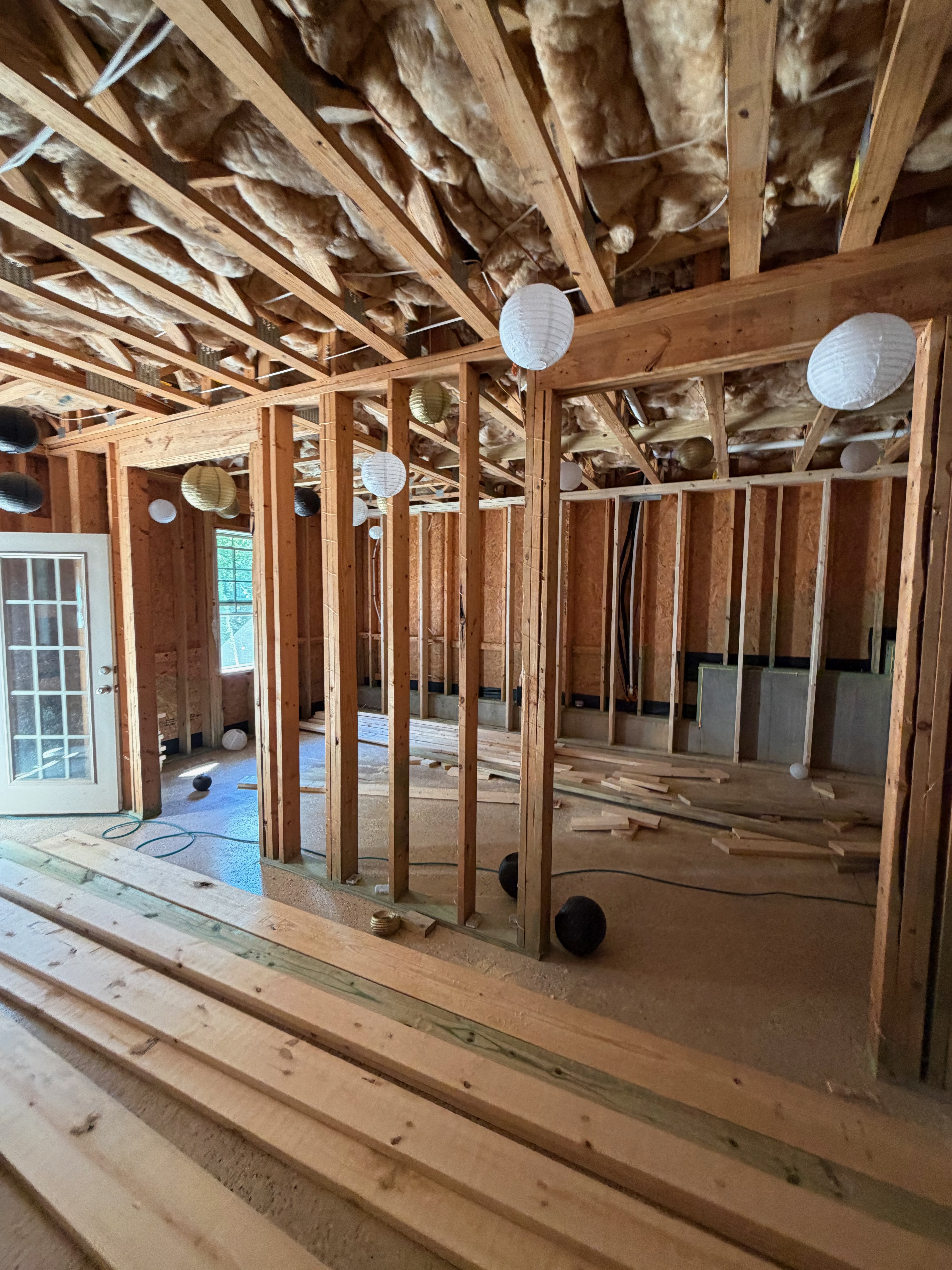
One coordinated design-build team helps prevent miscommunication and keeps everyone on the same page.
Better Planning Means Fewer Change Orders
Some changes during construction are unavoidable, especially in older homes where hidden conditions are uncovered once walls, floors, or ceilings are opened. However, many costly change orders stem from incomplete planning, missing scope, or selections that were never fully decided before work began. A thorough design-build process focuses on front-loading decisions during preconstruction. Cabinet layouts, appliances, plumbing fixtures, lighting, tile patterns, flooring, structural changes, and electrical needs are coordinated in advance. The more that is resolved before crews arrive on-site, the fewer decisions you will need to make under pressure and the less likely you are to encounter preventable changes that affect your schedule and budget.
A Streamlined, More Predictable Construction Timeline
Design-build can also help streamline your project timeline. Because the contractor is involved early, the team can begin thinking about permits, engineering, inspections, material lead times, and trade scheduling while the design is being finalized. Long-lead items like custom cabinets, specialty windows, or selected fixtures can be identified and ordered at the right time. Potential bottlenecks can be addressed before they slow down the job. Rather than design and construction functioning as two separate efforts, they become one coordinated plan, which helps keep your project moving steadily from phase to phase and reduces the risk of avoidable delays.
One Team From Vision to Completion
Perhaps the greatest advantage of hiring a design-build contractor is continuity. The conversation that starts with, “This is what we want our home to become,” continues with the same team through design, budgeting, selections, preconstruction, and the final day of construction. Your contractor understands why certain choices were made, what matters most to your family, where your budget needs to be protected, and what the finished space is meant to achieve. That continuity is especially valuable on complex projects like whole-home renovations, luxury kitchens and bathrooms, basement transformations, home additions, accessory dwelling units, and custom new construction, where dozens of details must all align to create one cohesive result.
Build With a Clearer, More Confident Process
A successful construction project should not begin with demolition; it should begin with a well-developed plan. Working with a design-build contractor brings design, planning, budgeting, and construction together so you can make informed decisions before work begins. For homeowners in the Charlotte, NC and Fort Mill, SC areas, that means a clearer process, a single accountable team, and a smoother experience from concept to completion. If you are considering a renovation, addition, ADU, or new custom home, a design-build partnership can help you protect your investment, reduce stress, and create a finished space that truly reflects your vision.
Build bold. Design iconic. Let one trusted team guide your project every step of the way.
